Healthcare and care homes
Privacy obligations, and a call system that has to keep working during a power cut or an outage, not just most of the time.

Platform
For organizations that need calls and data to stay on their own network. We assess, install, configure and support it.
Cloud suits most organizations. Some have a reason it does not, and those reasons are usually good ones.
Privacy obligations, and a call system that has to keep working during a power cut or an outage, not just most of the time.
Procurement rules or policies that say where systems and recordings may live.
Rural or industrial locations where the connection drops often enough to matter.
Organizations that must be able to point at the machine their call data is on.
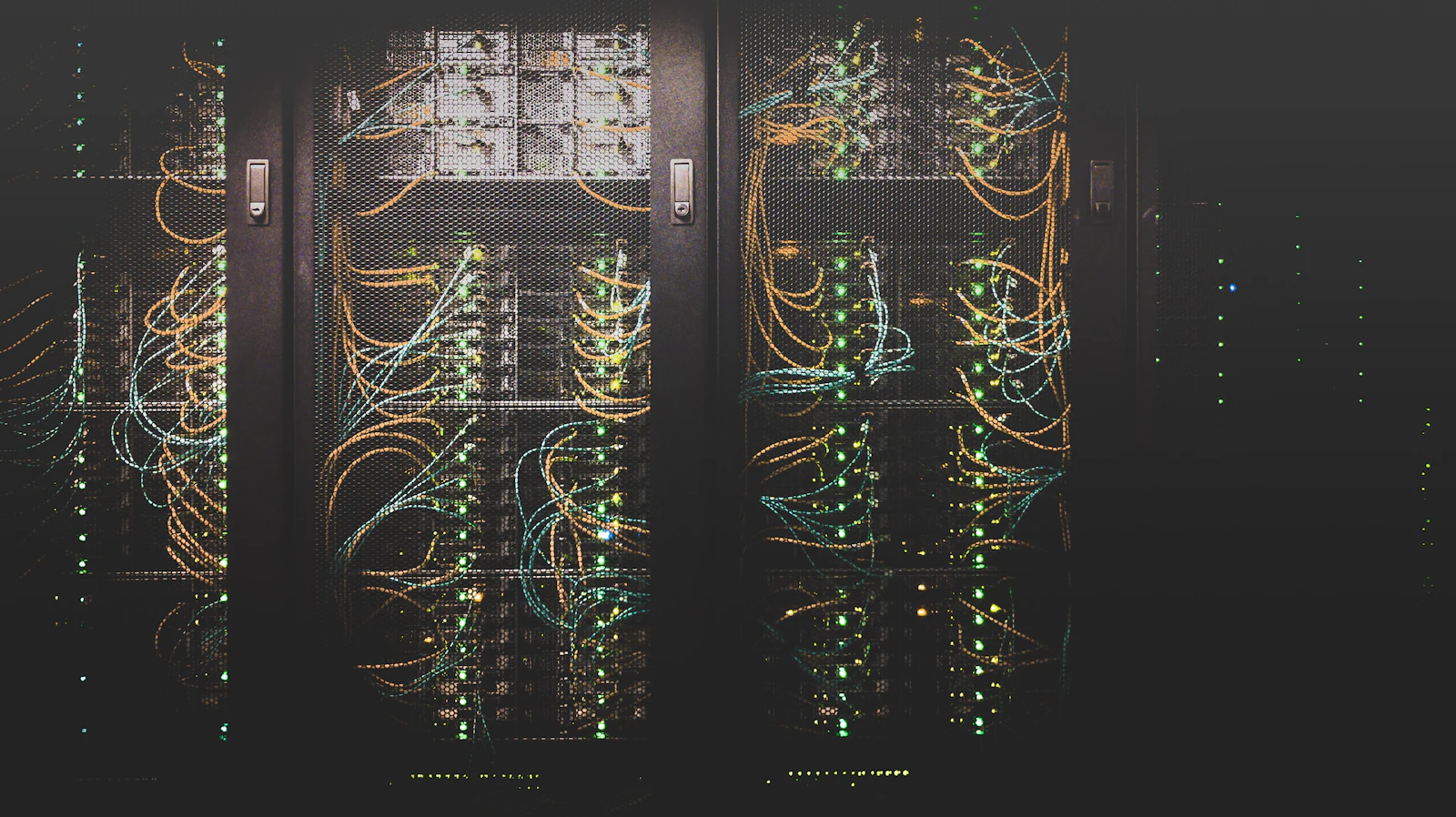
The main reason people choose it
When the system is on your network, calls between the people in your building never leave it. If the connection to the outside world fails, internal calling, transfers, paging and voicemail all carry on. Outside calls fail over to a backup route if you have one, and come back by themselves when the line returns.
Nothing exotic. If you have a server or a virtual machine host already, it will very likely sit alongside what is there.
A physical server or a virtual machine, whichever your IT already runs.
A typical small-business system needs far less than people expect. We size it with you.
Queues, auto attendants, apps, recording and reporting all behave identically.
Run on your premises with our cloud standing by, so calls still land if the site goes dark.
Three stages, and we do the work in all three.
We look at how your calls come in today, what hardware and internet you have, and what actually has to keep working when something fails. If cloud would serve you better, we will say so.
We build the system, set up your call flows, provision the phones and port your numbers. We test it properly before anyone relies on it, and we are there on the day you switch over.
We monitor the system, apply updates, and make changes when you need them. You ring one number and reach people who know your setup.
On-premises is not automatically better. It means hardware in your building that someone has to power, cool and eventually replace, and updates that happen on a schedule rather than quietly in the background. If nothing in the list above applies to you, cloud is usually simpler and cheaper. We would rather tell you that now than a year in.
A short conversation is usually enough to tell whether it is the right fit for you.